
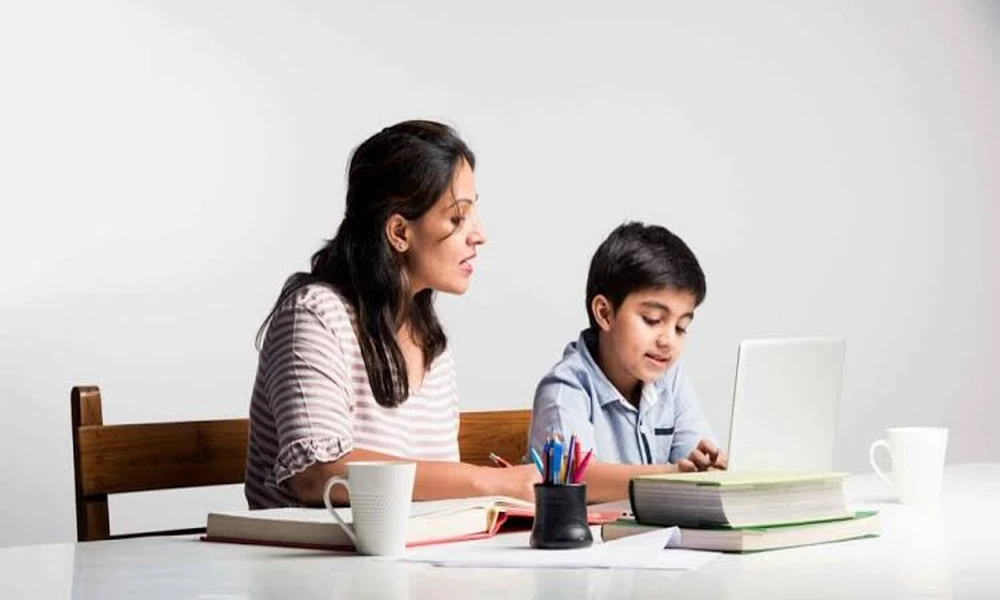
Starting Primary 1 is a big step for every child. It brings a new school routine, longer lessons, new classmates, and more structured learning. For many parents, this is also the stage where they begin looking at P1 enrichment classes to help their child build confidence before and during the first year of primary school.
School readiness is not only about knowing how to read, write, or count. It is also about helping children feel comfortable in class, follow instructions, ask questions, and manage small tasks on their own. When children feel prepared, they are more likely to enjoy learning and take part actively in lessons.
What School Readiness Really Means
School readiness means a child has the basic skills, habits, and confidence needed to adjust to Primary 1. Some children may already be strong readers. Others may be more confident in numbers, speaking, or hands-on activities. Each child grows at a different pace.
A school-ready child does not need to know everything before Primary 1 begins. Instead, they should slowly build the ability to:
- Listen and follow simple instructions
- Sit through lessons with focus
- Express their thoughts clearly
- Try tasks even when they are challenging
- Ask for help when needed
- Work with classmates in a respectful way
These habits can make the transition smoother. They also help children become more independent learners over time.
Why Primary 1 Can Feel Like a Big Change
Primary 1 is often different from kindergarten. Children may need to adjust to a larger school environment, more subjects, and a fixed timetable. They may also need to manage simple responsibilities, such as packing their bags, copying homework, or remembering classroom routines.
Academically, children begin to build stronger foundations in English and Mathematics. In English, they may work on reading, grammar, vocabulary, speaking, and simple writing. In Mathematics, they learn number concepts, basic operations, shapes, patterns, time, money, and simple problem-solving.
These early skills matter because they support later learning. A child who understands basic concepts well will usually find it easier to manage new topics in the years ahead.
How Tuition Can Support the Transition
Primary 1 tuition should not place unnecessary pressure on young children. At this stage, support should be gentle, structured, and age-appropriate. The goal is to help children understand key concepts, practise new skills, and build confidence in a safe learning space.
Good support can help children:
- Strengthen reading and comprehension skills
- Build vocabulary and sentence confidence
- Understand basic grammar rules
- Practise simple writing techniques
- Develop number sense
- Learn how to solve word problems step by step
- Gain confidence in speaking and sharing ideas
The right learning environment also teaches children that mistakes are part of learning. This is important because Primary 1 students are still developing patience, resilience, and focus.
Building Confidence in English
English is a key subject in Primary 1 because it supports communication across many areas of school life. Children need to understand instructions, read simple passages, answer questions, and express their ideas.
At this level, English support may focus on grammar, vocabulary, reading, speaking, and writing. Children can learn how to form better sentences, describe ideas clearly, and understand the main points in a text.
Writing can also be introduced in a gentle way. For example, children may learn how to arrange events in order, use simple descriptions, or add dialogue to make a story more interesting. These small steps help young learners become more comfortable with written expression.
Building Confidence in Mathematics
Mathematics in Primary 1 should help children see how numbers are used in everyday life. This can include counting money, reading time, measuring objects, spotting patterns, and understanding simple graphs.
Instead of memorising answers, children benefit from learning why a method works. They can use drawings, objects, and simple models to understand a problem. This helps them build number sense and problem-solving skills.
A strong Mathematics foundation can also reduce fear of the subject. When children learn through clear explanations and regular practice, they are more likely to approach new questions with confidence.
Choosing the Right P1 Learning Support
When choosing support for a young child, parents should look beyond worksheets and academic drills. The learning experience should match the child’s age, attention span, and emotional needs.
A suitable programme should offer:
- Clear explanations
- Engaging lesson activities
- Practice that builds gradually
- Encouragement from teachers
- Opportunities to speak and ask questions
- A balance between structure and curiosity
Parents may also want to consider whether the programme helps children connect classroom learning to real life. This can make lessons more meaningful and easier to remember.
The Learning Lab, for example, offers Primary 1 English and Mathematics programmes that support reading, writing, speaking, foundational numeracy, problem-solving, and applied learning through structured lessons and in-house materials.
Helping Children at Home
Parents also play an important role in school readiness. Simple home routines can help children feel more prepared for Primary 1.
You can support your child by:
- Reading together for a few minutes each day
- Talking about stories and daily experiences
- Practising simple counting during everyday tasks
- Letting your child pack their school bag
- Encouraging them to speak up politely
- Praising effort, not only correct answers
These small habits help children become more responsible and confident. They also show children that learning happens beyond the classroom.
A Gentle Start Matters
Primary 1 is not just the start of formal schooling. It is also the beginning of a child’s learning attitude, confidence, and independence. With the right support, children can adjust to school routines while building strong foundations in English, Mathematics, and classroom habits.
Parents do not need to rush the process. What matters most is helping children feel safe, supported, and ready to try. With patient guidance, home support, and suitable Primary 1 enrichment support, P1 enrichment classes can help children begin their primary school journey with greater confidence and joy.