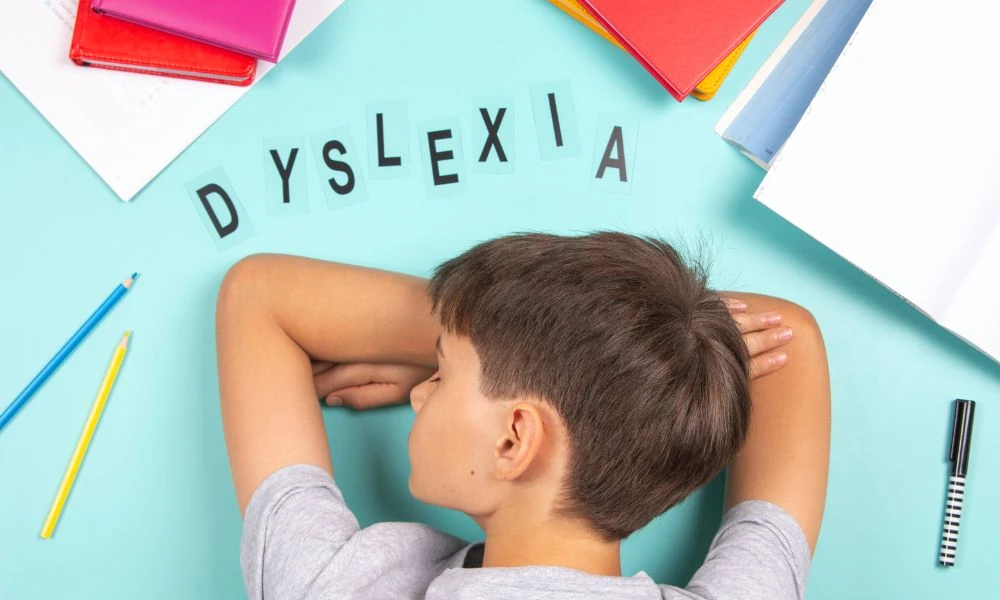
Children develop language skills at different rates. Dyslexia can influence how a child connects spoken language with printed words. Recognizing these differences early helps families understand individual learning needs. A detailed evaluation provides useful information for suitable educational guidance. With des moines dyslexia testing, families can gain valuable insights into their child’s learning patterns and identify appropriate educational support.
Recognizing Early Learning Signs
Children may find it difficult to identify familiar words or understand written instructions. Some need extra time to remember letter patterns during daily lessons. These differences can guide further evaluation when they continue over time. Careful observation helps specialists understand individual abilities without making quick judgments about a child’s potential.
Reviewing Assessment Techniques
A complete evaluation examines different language skills through age-appropriate activities. Specialists observe word recognition and the ability to connect spoken language with printed text. They also review previous learning progress before interpreting results. This approach provides a broader understanding of individual strengths and areas requiring additional educational guidance through des moines dyslexia testing.
Gathering Relevant Learning Details
Useful information comes from several activities that reveal how children process language. Specialists may consider the following areas during an evaluation.
- Word identification tasks reveal difficulties recognizing familiar terms during lessons.
- Language exercises examine connections between spoken words and printed text.
- Writing activities highlight challenges with familiar letter patterns.
- Family observations describe earlier learning habits across different situations.
- Teacher feedback identifies tasks requiring additional guidance during lessons.
Understanding Individual Assessment Results
Assessment results become more meaningful when specialists consider several factors together. Individual scores can be compared with age-appropriate expectations and previous learning progress. A single activity rarely explains every difficulty. When dyslexia is suspected, clear findings help families understand specific needs and explore suitable educational adjustments with qualified professionals.
Supporting Individual Learning Progress
Evaluation findings can guide useful changes in teaching methods. Educators may introduce smaller tasks that match a child’s current abilities. Regular progress reviews help identify effective learning approaches. Families can encourage daily language activities at home. Communication between caregivers and teachers supports shared goals while allowing children to develop confidence gradually.
Accurate identification requires careful observation and a suitable evaluation process. Families should request clear explanations of the findings before deciding on further support. Educators can then establish achievable goals that match individual abilities. Consistent guidance helps children develop stronger language skills while gaining confidence through steady progress.
FAQ
Which skills are examined during a learning assessment?
Specialists examine language processing, word recognition, writing ability, and comprehension skills.
When should families seek a professional learning evaluation?
Ongoing academic difficulties may indicate the need for professional assessment.
Can assessment findings guide suitable educational adjustments?
Yes, results help educators adapt teaching methods to individual learning needs.